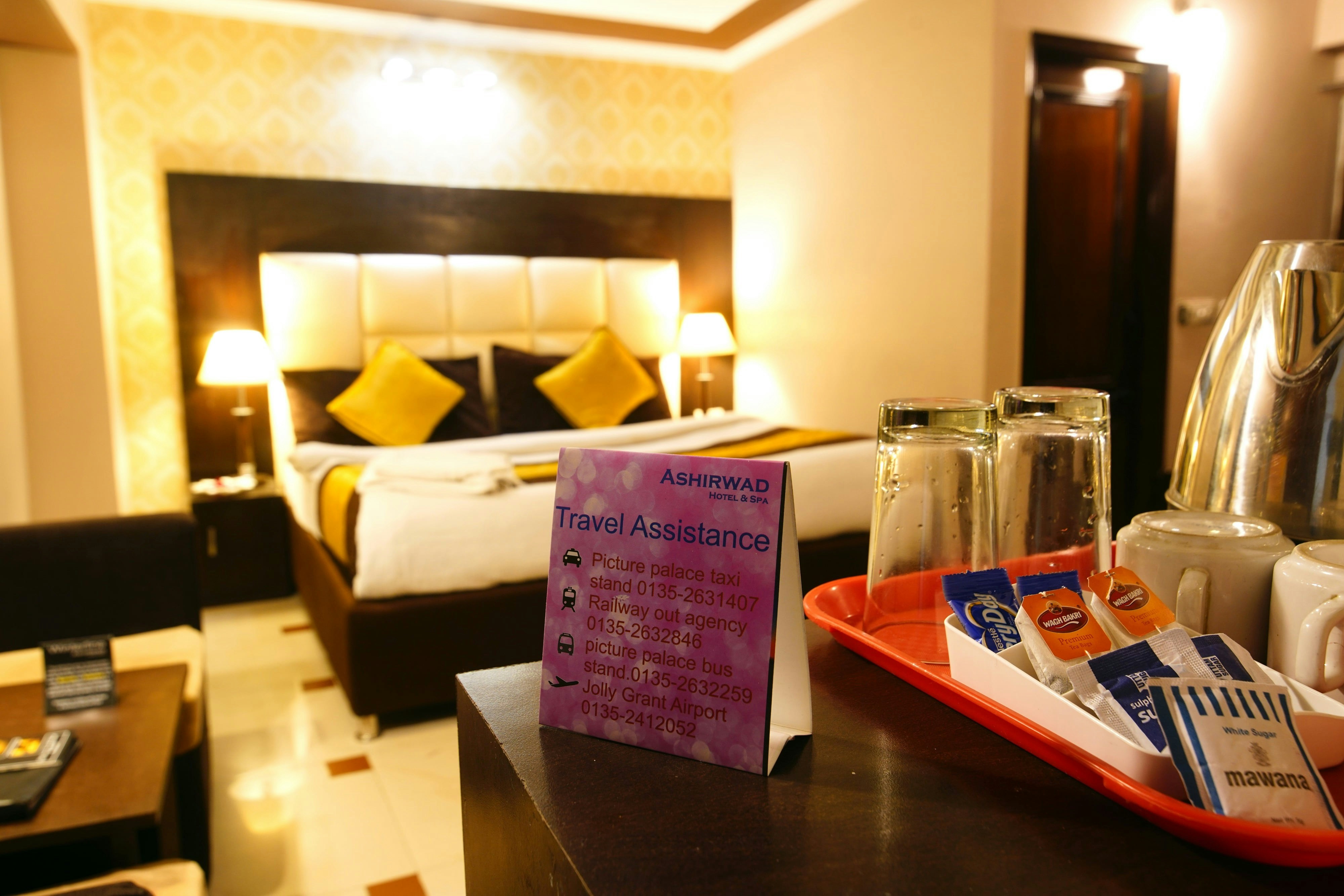
Introduction to Corporate Travel Accommodation
Corporate travel accommodation refers to the lodging arrangements made for business travelers during their work-related trips. This sector has become increasingly significant as businesses regularly send employees on assignments, conferences, meetings, and other corporate functions. Given the nature of these trips, it is crucial for companies to ensure that their employees have access to suitable and comfortable lodging that meets their specific needs.
There are several types of accommodations available for corporate travelers, ranging from high-end hotels and boutique lodgings to serviced apartments and vacation rentals. Traditional hotels often provide amenities such as meeting rooms, business centers, and other services tailored for business users, while serviced apartments offer more home-like environments, appealing especially for long-term stays. Additionally, vacation rentals can provide unique experiences that may enhance employee morale and satisfaction during business travel.
The importance of choosing the right corporate travel accommodation cannot be understated. Quality lodging can significantly impact productivity, employee well-being, and overall satisfaction during business trips. Comfort and access to necessary facilities can aid in achieving work-life balance, which is vital for maintaining a motivated workforce. Moreover, corporate accommodations that strategically align with business objectives can lead to cost savings, particularly when frequent travel is a necessity.
In essence, the landscape of corporate travel accommodation encompasses a variety of options that cater to diverse preferences and requirements, ultimately enhancing the business travel experience. As companies continue to embrace a global business model, understanding and leveraging the right accommodation solutions will be integral to facilitating successful corporate travel.
Factors Influencing Corporate Travel Accommodation Choices
When it comes to corporate travel, selecting the right accommodation is crucial for ensuring a productive and comfortable experience. Various elements play a significant role in shaping these choices, and understanding them can lead to improved satisfaction and efficacy during business trips.
One of the primary factors influencing accommodation decisions is budget constraints. Corporations typically allocate specific budgets for travel expenses, and accommodation costs can vary widely. It is imperative for companies to balance quality and cost-effectiveness when selecting hotels or other lodgings. Often, a comprehensive analysis of available options enables businesses to find accommodations that align with their budget, thereby optimizing financial resources.
Location is another decisive factor. Proximity to meeting venues, transport hubs, and local amenities is essential to enhance convenience for corporate travelers. Staying in a centrally located hotel can reduce transit times and allow professionals to make the most of their valuable time. Additionally, factors such as safety and neighborhood reputation can influence accommodation preferences.
Amenities offered by accommodation options can also sway corporate choices. Organizations often look for specific features such as conference facilities, free Wi-Fi, and fitness centers, as these can improve overall productivity and enhance the travel experience. Moreover, inclusivity of breakfast, parking facilities, and shuttle services are also pivotal in the decision-making process.
Lastly, the nature of the business trip itself significantly impacts accommodation choices. Different trips such as training sessions, client meetings, or conferences may necessitate distinct lodging requirements. Understanding the purpose of the travel helps organizations make informed decisions that cater to their employees’ needs effectively.
Types of Accommodation for Corporate Travelers
When it comes to corporate travel accommodation, travelers have several options to consider, each with its own set of benefits and challenges. Understanding these types can help in making informed decisions that align with personal preferences and company policies.
One of the most popular choices is traditional hotels. Hotels are renowned for their service quality and amenities such as room service, daily cleaning, and business-oriented facilities like conference rooms. They are often located near major business districts or airports, which enhances convenience for corporate travelers. However, hotel stays can be more costly compared to other options, especially for extended trips.
Another viable option is serviced apartments. These accommodations provide the comforts of home while still offering hotel-like services. They typically feature kitchens or kitchenettes, allowing travelers to prepare their own meals, which can lead to significant savings on dining expenses over long stays. Serviced apartments often provide more space than traditional hotel rooms, lending themselves to a more relaxed environment. However, they may not offer the same level of immediate service as hotels, which could be a drawback for some.
AIRBNB and similar platforms have emerged as popular alternatives for corporate travelers seeking unique lodging experiences. AirBnB options can offer a sense of local culture and charm, often situated in quieter neighborhoods. These accommodations can also provide amenities like more room for gatherings or workspace options suitable for business needs. However, reliability can vary greatly between listings, so due diligence is necessary to ensure quality and safety.
Lastly, traditional residential rentals can serve as excellent long-term accommodations for business professionals. These properties can be rented for weeks or even months, providing a full home experience. However, such arrangements typically require more financial commitment upfront and might involve cancellations or issues with landlords, which should be considered by travelers.
How to Book Corporate Travel Accommodation Efficiently
Booking corporate travel accommodation can seem daunting, but with the right strategies, it can be streamlined and efficient. One effective approach is to utilize travel agencies that specialize in corporate travel. These agencies have access to exclusive deals and can often negotiate better rates on behalf of your business. By partnering with a reputable agency, you can save time and harness their expertise in managing travel logistics, ensuring a smoother experience.
Another strategy is to develop negotiation skills. Many hotels and accommodation providers are willing to negotiate prices, especially for extended stays or bulk bookings. Be prepared to discuss your company’s requirements, such as number of rooms, duration of stay, and any additional amenities required. This approach can significantly reduce accommodation costs and improve the value of your travel budget. Additionally, building relationships with hotel management can lead to beneficial loyalty programs and personalized service for future trips.
When deciding how to book, consider the advantages and disadvantages of direct booking versus using travel platforms. Direct booking through hotel websites often offers the best rates and exclusive deals for members, while travel platforms provide comprehensive comparisons of various accommodation options. For corporate travel, the best option may involve a combination of both methods. Direct bookings can ensure a dedicated point of contact, while travel platforms can offer a broader overview of available accommodations.
By applying these methods, businesses can enhance corporate travel accommodation efficiency. Emphasizing a strategic approach to booking can lead to significant savings and improved traveler satisfaction. Ultimately, balancing the use of agencies, negotiation techniques, and booking methods will streamline the entire accommodation process, ensuring that corporate travelers have a comfortable and productive experience.
Best Practices for Corporate Travel Accommodation Management
Effectively managing corporate travel accommodation is crucial for ensuring that employees have a seamless experience while traveling for business. Establishing clear policies is foundational; this includes setting guidelines for booking accommodations, approving certain hotel chains, and defining roles and responsibilities within the travel management team. Having a comprehensive travel policy ensures consistency and compliance, enabling employees to make informed choices regarding their accommodation.
Another essential aspect of managing corporate accommodation is meticulous budget management. Companies need to set travel budgets that not only account for hotel costs but also consider associated expenses such as transportation, meals, and incidentals. Regular assessments of accommodation spend against budgets can help identify areas where costs can be optimized. Setting up alerts for overspending and utilizing reporting tools to track expenses can be beneficial for maintaining budget adherence.
Furthermore, leveraging technology is key in streamlining the corporate travel accommodation process. Many organizations are now adopting specialized travel management software that allows employees to book accommodations efficiently while ensuring compliance with corporate travel policies. These platforms provide real-time availability, competitive pricing, and comprehensive reporting capabilities, helping streamline the entire booking process. Mobile applications also offer employees the flexibility to manage their bookings on the go, making it easier to address any last-minute changes.
Incorporating regular feedback mechanisms can enhance accommodation management further. Scanning for traveler satisfaction through surveys or post-trip feedback can yield insights for improving future corporate travel arrangements. Overall, adopting these best practices will contribute significantly to optimizing corporate travel accommodation management, enhancing employee satisfaction while also ensuring financial prudence for the organization.
The Role of Corporate Travel Agencies in Accommodation Choices
Corporate travel agencies play a pivotal role in shaping accommodation choices for businesses seeking to optimize their travel arrangements. These agencies specialize in providing tailored solutions that align with the specific needs of corporate travelers, ensuring both efficiency and comfort. By leveraging their extensive industry knowledge and relationships with various hotel chains and providers, they can offer a range of options to fit different budgets and preferences.
One of the primary advantages of utilizing a corporate travel agency is their ability to negotiate favorable rates that might not be accessible to individual corporate clients. Through established partnerships with hotels and accommodations, travel agents can secure discounted rates and additional perks, such as complimentary breakfast or free upgrades. This not only results in cost savings for the company but also enhances the overall travel experience for employees.
Additionally, corporate travel agencies provide personalized accommodation options that cater to specific organizational needs. For instance, they can identify hotels that offer meeting facilities, proximity to key business locations, or amenities that foster productivity and comfort. By understanding the preferences of travelers within a company, these agencies can ensure that chosen accommodations align with corporate policies and the expectations of employees.
The convenience of working with a corporate travel agency cannot be overstated. In today’s fast-paced business environment, companies must balance numerous responsibilities, from managing budgets to ensuring employee satisfaction. By outsourcing the accommodation selection process to professionals who are well-versed in the intricacies of corporate travel, businesses can streamline operations and focus on core activities. Overall, corporate travel agencies are invaluable partners in the accommodation selection process, providing expertise, cost-saving solutions, and personalized service to meet the dynamic needs of corporate travelers.
Sustainability in Corporate Travel Accommodation
As the corporate travel industry continues to evolve, sustainability has emerged as a focal point for organizations aiming to align their travel practices with environmental stewardship. The growing awareness of climate change has prompted many businesses to reevaluate their accommodation choices, leading to a noticeable shift toward eco-friendly options. Hotels and other lodging establishments are increasingly integrating sustainable practices, such as energy-efficient systems, water conservation measures, and the use of eco-friendly materials in their construction and operations.
The importance of corporate social responsibility (CSR) cannot be overstated when considering sustainability in travel accommodations. Companies that prioritize eco-friendly lodging not only contribute to environmental protection but also enhance their brand image and appeal to socially conscious consumers. Moreover, businesses that actively promote sustainability through their travel policies often experience increased employee satisfaction. Employees take pride in working for companies that are committed to making a positive impact on the planet.
When selecting corporate travel accommodations, companies can adopt various strategies to make environmentally conscious choices. One effective approach is to partner with hotels that have attained sustainability certifications, such as LEED (Leadership in Energy and Environmental Design) or Green Key. These certifications indicate that the property adheres to rigorous environmental standards.
Additionally, organizations can opt for accommodations that minimize waste production, such as establishments that practice recycling or utilize biodegradable products. Providing employees with guidelines on choosing sustainable options during their travels can also help. Simple actions, such as selecting public transportation to reach their destination or choosing to stay at locally-owned lodgings, contribute to a smaller carbon footprint during business trips. Embracing sustainability in corporate travel accommodation not only supports environmental goals but also fosters a responsible travel culture within organizations.
Traveler Safety and Comfort Considerations
When selecting accommodations for corporate travel, it is imperative to prioritize both safety and comfort for travelers. A safe lodging environment significantly impacts the overall experience of business trips, as well as the productivity and peace of mind of employees. Organizations must ensure that travel arrangements include accommodations that adhere to heightening safety protocols, such as traceable security measures, surveillance systems, and comprehensive fire safety guidelines.
In recent years, hotel reviews have become essential in the decision-making process. Online platforms enabling guests to leave feedback provide valuable insights into the hotel’s safety measures and comfort levels. Transparency regarding the health protocols in place, particularly in light of the ongoing global health concerns, is also key. Ensuring that accommodations implement stringent cleanliness protocols and social distancing measures adds to the reassurance of employees staying away from home.
Furthermore, corporate travel managers should consider the location of the hotel in relation to client meetings and key spots within the city. Staying in areas with low crime rates and good transportation options can greatly enhance a traveler’s experience. The proximity to essential services, restaurants, and conveniences can also provide an added layer of comfort.
To solidify a sense of security, companies can also provide travel support services. Having a dedicated travel manager or a resource that can assist with any unforeseen issues can significantly alleviate anxieties surrounding travel accommodations. This extra layer of support, along with well-chosen hospitality solutions, fosters a sense of safety and comfort among employees during their business trips.
The Future of Corporate Travel Accommodation
As organizations increasingly recognize the pivotal role that corporate travel plays in driving business objectives, the future of corporate travel accommodation is poised for transformation. Emerging trends such as sustainability, personalization, and technological innovation offer promising avenues for this sector. Corporations are progressively advocating for eco-friendly lodging options, pushing hotels and accommodation providers to adopt more sustainable practices. This shift not only caters to corporate social responsibility goals but also reflects a growing consumer preference for environmentally conscious choices.
Moreover, the evolution of personalization in corporate travel accommodation is making tailored experiences a priority. Companies now expect lodging partners to provide personalized service that caters to the specific needs of business travelers. This includes preferences related to room layouts, amenities, and digital accessibility. Hotels that can harness data analytics to understand preferences and behaviors of frequent travelers will likely gain a competitive edge.
Technological advancements are also revolutionizing how corporate travel accommodations are managed. Automation and artificial intelligence (AI) are becoming integral to enhancing efficiency in booking processes, providing real-time updates on accommodation statuses, and facilitating seamless communication between travelers and hotel staff. Mobile apps and platforms dedicated to corporate travel are also enabling employees to manage their accommodations with greater ease and flexibility.
Looking ahead, the future of corporate travel accommodation will likely see a hybrid model that combines physical spaces with virtual offerings. As remote work remains a viable option for many, accommodations that facilitate both in-person meetings and virtual interactions will be crucial. Such innovative approaches may redefine what corporate travel means in a post-pandemic world, emphasizing flexibility and adaptability to cater to the evolving needs of businesses.