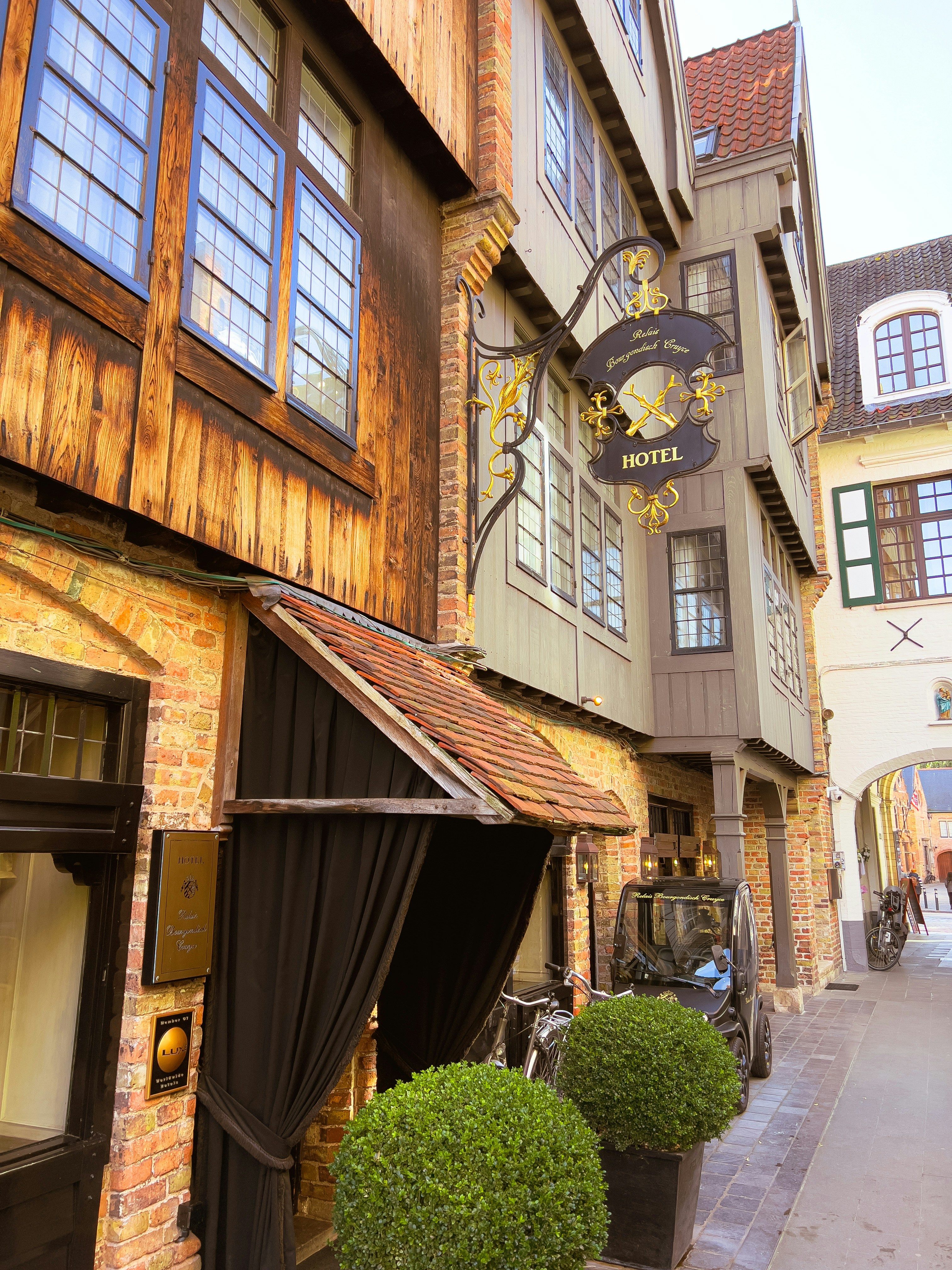
Introduction to Boutique Hotels
Boutique hotels are a fascinating segment of the hospitality industry, distinguished by their intimate scale and unique character. Typically smaller than traditional hotels, they offer a more personalized and tailored experience, focusing on providing guests with distinct accommodations. These types of properties often feature a limited number of rooms, creating a cozy environment that fosters a sense of intimacy and connection between guests and staff.
One of the most notable characteristics of boutique hotels is their unique design aesthetic. Unlike many conventional hotels that prioritize standardized decor, boutique establishments often embrace individuality, with each hotel displaying its own artistic flair. This can range from chic, modern interiors to historic touches that reflect the local culture. This commitment to design not only enhances the visual appeal but also contributes to a more engaging experience for guests, allowing them to immerse themselves in the ambiance and story of their surroundings.
Moreover, boutique hotels frequently highlight local charm and culture, establishing themselves as integral parts of the communities they inhabit. They tend to incorporate locally sourced materials, artwork, and culinary offerings, providing guests with a taste of the destination. This local focus not only sets them apart from traditional hotel chains but also enriches the travel experience, offering visitors an authentic connection to the area.
In essence, what defines boutique hotels is their ability to merge comfort with character, creating an environment where guests can enjoy personalized service and memorable stays that resonate long after check-out. As we delve deeper into the travel experiences provided by boutique hotels, it becomes evident how their distinctive attributes greatly enhance the overall journey of any traveler seeking more than just a place to rest their head.
The Personal Touch: Unique Design and Ambience
Boutique hotels are renowned for their distinctive character, offering travelers a unique experience that transcends the generic layouts and designs often associated with large hotel chains. Each boutique hotel typically embraces a specific theme or aesthetic, showcasing a level of creativity and individuality that invites guests to immerse themselves in the local culture and environment.
When stepping into a boutique hotel, one is often greeted with vibrant colors, eclectic furniture, and carefully curated artwork that reflect the region’s heritage and artistic expression. Unlike standard hotel rooms that can feel impersonal, the interior design of boutique hotels can transform a stay into an experience. This unique design is not merely for aesthetics; it actively contributes to a more personal travel experience by providing an atmosphere that guests can connect with on a deeper level.
The ambience in boutique hotels is also carefully crafted to enhance guest comfort and perception. Dim lighting, soothing color schemes, and thoughtfully designed spaces promote relaxation and allow for a sense of intimacy that is often missing in larger establishments. Additionally, boutique hotels frequently incorporate local art and crafts into their decor, which not only supports local artisans but also fosters a sense of place. Guests can appreciate the stories behind the pieces displayed, further enriching their overall experience.
This dedication to individualism and local culture sets boutique hotels apart as they aim to create lasting memories for guests. Every aspect, from the furnishings to the decor, aims to evoke a sense of belonging, ensuring that travelers depart with a personal narrative tied to their stay. Thus, the unique design and bespoke ambience of boutique hotels elevate the travel experience, making it truly unforgettable.
Tailored Guest Services
Boutique hotels are renowned for their ability to deliver personalized services that significantly enhance the travel experience. One of the defining features of these establishments is their dedicated concierge services. Unlike larger, chain hotels, boutique hotels employ concierges who are intimately familiar with the local area, often possessing insider knowledge that can elevate a guest’s stay. This personalized touch allows visitors to uncover hidden gems that only locals know, such as unique dining spots, cultural experiences, or off-the-beaten-path attractions.
In addition to concierge services, boutique hotels often offer tailor-made itineraries for their guests. Upon arrival, guests may receive a welcome packet containing curated experiences based on their preferences and interests. Whether a traveler is seeking adventure, relaxation, or cultural enrichment, the staff at boutique hotels can design a custom itinerary that aligns with individual desires, creating a unique experience that a standard package cannot provide.
Furthermore, boutique hotels maintain a more attentive staff-to-guest ratio, which allows for personalized interactions that enhance guest satisfaction. Staff members are able to remember guests’ names, preferences, and past interactions, fostering an atmosphere of familiarity and warmth. This level of service creates a sense of belonging and comfort that can make a visitor’s stay more memorable. The overall approach of boutique hotels emphasizes the importance of catering to individual guest needs, ensuring that each visitor feels valued and understood.
Ultimately, the tailored guest services offered by boutique hotels transform a standard travel experience into something truly extraordinary. By focusing on personalized itineraries, knowledgeable concierges, and a caring staff, these establishments cater to the unique preferences and needs of their guests, creating lasting memories and deeper connections to the destinations they explore.
Connection to the Local Culture
Boutique hotels are increasingly recognized for their ability to create a personal and authentic travel experience, largely due to their strong connection to the local culture. Unlike large chain hotels, which may offer standardized services, boutique hotels often prioritize a unique and intimate atmosphere that reflects the surrounding community. This commitment to localism is evident in various aspects, including the design, ambiance, and offerings of the hotel itself.
Many boutique hotels feature decor and design elements that are inspired by local art, architecture, and history, providing guests with a visual representation of the area’s cultural heritage. Furthermore, these establishments frequently collaborate with local artisans and craftsmen, allowing guests to appreciate the skill and tradition that characterize the locale. This engagement not only enhances the aesthetic appeal of the hotel but also fosters a deeper understanding of the destination.
Another significant aspect of boutique hotels is the culinary experience. Many establishments emphasize serving locally sourced cuisine in their in-house restaurants. By featuring regional dishes and ingredients, guests are afforded the opportunity to indulge in the authentic flavors of the area. This practice transforms dining into a cultural exploration, offering insights into local customs and traditions that extend beyond mere sustenance.
Moreover, boutique hotels often facilitate experiences that are curated by locals, providing guests with access to personalized tours and activities. These guided experiences enable travelers to immerse themselves in local history, art, and social life, creating connections and memories that can enhance their overall travel experience. This level of engagement cultivates a sense of belonging, allowing visitors to forge meaningful relationships with the community and its inhabitants, ultimately enriching their stay.
Community Focus and Supporting Local Economies
Boutique hotels are increasingly recognized for their commitment to creating a travel experience that resonates with the local community. These establishments often prioritize partnerships with local artisans and businesses, contributing significantly to regional economies. By sourcing food, decor, and crafted goods from nearby vendors, boutique hotels help to bolster the livelihoods of local entrepreneurs and promote the unique cultural identity of their area.
The philosophy behind boutique hotels is rooted in a community-focused approach. Unlike large chain hotels, which often utilize standardized inventory and processes, boutique hotels engage thoughtfully with their surroundings. For example, many boutique hotels feature locally-sourced gourmet meals, highlighting regional cuisine and ingredients, which not only offers guests a taste of the area but also supports local farmers and producers. This not only enhances the dining experience but also allows guests to feel a deeper connection to the place they are visiting.
Moreover, the design and decor of boutique hotels often reflect local artistry, further embedding these establishments within the cultural fabric of the community. Whether it’s artwork from local artists adorning the walls or handcrafted furniture, guests are surrounded by elements that echo the locality, creating a more immersive and authentic travel experience. Such initiatives foster a sense of belonging among guests, who often appreciate the opportunity to engage with the local culture in a meaningful way.
In addition to enhancing the guest experience, the support for local economies also nurtures community pride and sustainability. By keeping revenue within local ecosystems and promoting responsible tourism, boutique hotels create a cycle of economic benefit that ultimately enhances the destinations they serve. As a result, guests have the opportunity to enjoy a richer travel experience marked by genuine interactions and connections that can endure well beyond their stay.
Culinary Experiences as a Personal Touch
One of the distinguishing features of boutique hotels is their commitment to providing unique culinary experiences that reflect the local culture and ingredients. Unlike large chain hotels that often provide standardized meal options, boutique hotels often prioritize a personalized dining atmosphere tailored to their guests’ preferences and dietary needs. This dedication to gastronomy fosters a more intimate connection between guests and the locale they are visiting.
Many boutique hotels collaborate with local farmers and artisanal producers to source fresh, seasonal ingredients. This practice not only supports the local economy but also ensures that the meals served are of high quality and bursting with flavor. The emphasis on local cuisine encourages guests to immerse themselves in the culinary traditions of the area, making their stay more memorable. Guests may find themselves indulging in dishes made from locally sourced vegetables, meats, and fish prepared using traditional methods or recipes passed down through generations.
Moreover, boutique hotels often feature exclusive dining options that are not found in mainstream establishments. These may include intimate chef’s tables, cooking classes, or bespoke dining experiences crafted specifically for guests. Such offerings allow guests to engage closely with the culinary team, offering insights into the ingredients and techniques that define the local food scene. Engaging with the chefs and learning about the mis en place can enhance a guest’s appreciation for food and provide a deeper connection to their travel experience.
By integrating unique culinary experiences into the stay, boutique hotels deliver not just meals, but stories and emotional connections, thus enhancing the overall personal touch of a guest’s journey. These thoughtfully curated dining experiences elevate the typical travel experience, making each guest’s stay truly one-of-a-kind.
Memorable Interactions with Staff
One of the defining characteristics of boutique hotels is the personal connections that guests often forge with the staff during their stays. Unlike larger chain hotels where interactions may feel transactional or impersonal, boutique hotels emphasize individualized service, fostering an environment where staff members are able to go above and beyond to cater to guests’ needs. These memorable interactions frequently result in a lasting impression, transforming a standard hotel stay into a unique and personable experience.
Many travelers have shared their stories about how friendly, attentive staff turned their ordinary visit into something special. For instance, one guest recalled how a hotel concierge remembered her name and preferences throughout her stay, even recommending local dining options tailored to her tastes. This attention to detail not only enhanced her experience but also made her feel genuinely valued as a guest.
Another traveler reflected on a time when a boutique hotel staff member made arrangements for a surprise birthday celebration. The thoughtful gesture, which involved subtle coordination with family members, filled the occasion with joy and warmth, leaving a profound impact on the guest. Such interactions contribute to a feeling of familiarity and comfort, making guests feel as though they are returning to a “home away from home.”
With trained and passionate staff, boutique hotels aim to create an environment where every interaction contributes to an extraordinary travel experience. As guests leave, it is often these memorable interactions with hotel staff that they cherish the most, telling stories of their trip for years to come. In turn, these personal connections enhance not only the guest experience but also the reputation of the hotel itself, leading to a loyal customer base who values the unique, intimate atmosphere that boutique accommodations provide.
Flexible Booking and Customized Packages
Boutique hotels have gained a reputation for providing a personalized travel experience, especially through their flexible booking options and customized packages. Unlike traditional hotel chains, boutique accommodations prioritize the individual needs of each guest, fostering a connection that enhances the overall satisfaction of their stay. This adaptability can manifest in various forms, including the flexibility to modify reservation dates without incurring hefty fees, tailored promotions, and even bespoke services that align with the specific desires of travelers.
One of the standout features of boutique hotels is their willingness to negotiate. For instance, when guests reach out with special requests, whether it be an early check-in, late check-out, or the desire for a specific room layout, the staff often strives to accommodate these preferences. This level of attentiveness distinguishes boutique hotels and reflects their commitment to providing a seamless experience. Moreover, many boutique establishments offer unique packages that can be tailored to include activities such as guided tours, spa treatments, or gourmet dining options, ensuring that guests can curate their experience to match their interests.
Additionally, the intimate setting of boutique hotels allows for clearer communication between guests and staff. This interaction fosters a deeper connection where staff members can better understand each guest’s preferences and offer personalized recommendations or services. Such attention to detail may not only enhance immediate convenience — such as reduced stress while planning activities or meals — but also cultivates a sense of belonging that guests often seek during their travels. By focusing on flexibility and customization, boutique hotels create an environment where guests feel valued and cared for, significantly improving their travel experience.
Conclusion: The Lasting Impact of a Personalized Stay
In reflecting on the various aspects discussed in this blog post, it is clear that boutique hotels provide a unique and personalized travel experience that sets them apart from larger, more commercial accommodations. These smaller establishments typically offer tailored services that go beyond the standard hospitality protocols inherent in larger chains. Guests at boutique hotels can often expect a more intimate atmosphere, where staff members are dedicated to understanding and addressing individual needs.
The emphasis on personalization in boutique hotels not only enhances the comfort of the guests but also contributes significantly to memorable travel experiences. This attention to detail allows travelers to engage more deeply with their surroundings, fostering a sense of belonging and connection. Guests are often treated as part of the hotel’s family, making each stay more enriching and special.
Moreover, the local partnerships that many boutique hotels maintain allow guests to explore authentic culinary experiences, unique cultural activities, and local attractions that they might not discover otherwise. As highlighted throughout the blog, the focus on personalization impacts not only the satisfaction levels of travelers but also their likelihood of returning to the same venue or recommending it to others.
As you plan your next getaway, consider opting for a boutique hotel. The personalized service, distinctive character, and commitment to catering to your individual preferences can lead to truly unforgettable memories. By choosing a boutique hotel, you are selecting a travel experience that emphasizes individuality and connection, enriching your journey in ways that larger hotels often cannot.